Multilingual desktop publishing (DTP) ensures translated content maintains the same level of design quality, clarity, and visual impact as the source language. We adapt layout, typography, and formatting so your brochures, manuals, training and marketing materials and reports stay true to your brand and publication-ready in every language – including right-to-left (RTL) typesetting and complex scripts.
Multilingual DTP services that keep your layout intact
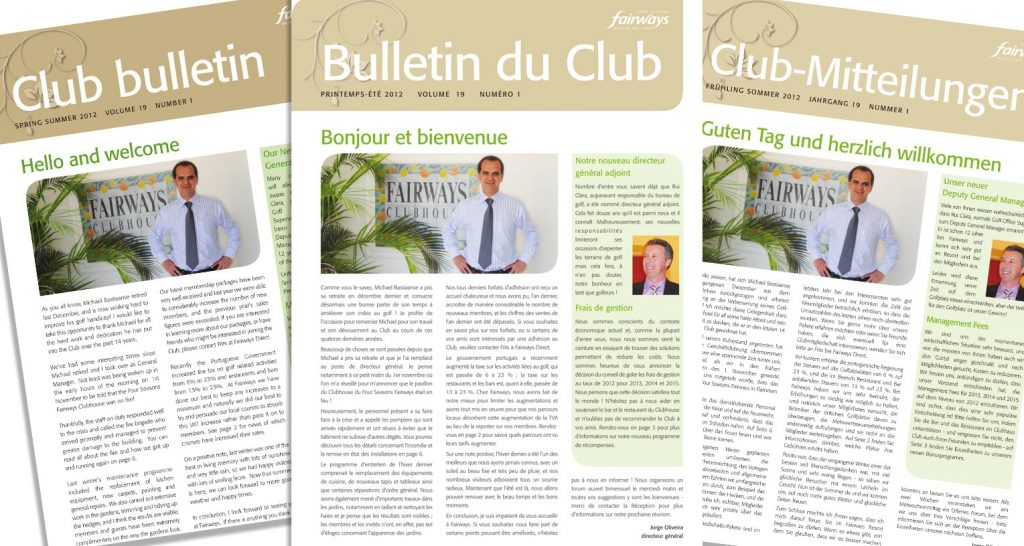
Translated content often requires professional layout adjustment, even when provided in the original format, such as InDesign. Common issues include text expansion, font support, line breaks, and layout direction changes.
We handle multilingual DTP for:
- Marketing brochures and corporate collateral
- Operating manuals and technical documentation
- Training and eLearning materials
- Packaging, labels and product inserts
- Reports, presentations and internal comms
What’s included in our multilingual DTP & typesetting
Layout localisation, typesetting and adjustment – We reflow and typeset your translated text, so it reads naturally and fits your design. We can also provide recommendations on how to adapt your design and layout for the target audience, taking into account cultural preferences, local conventions, and regional expectations.
RTL and complex-script support – Languages such as Arabic, Hebrew and Urdu can require RTL layout considerations and specialist font handling. We also manage CJK and other complex scripts (Chinese, Japanese, Korean, Thai, Bengali, etc.).
Font, Unicode and character integrity – Modern software generally supports Unicode, but real-world files still produce issues (missing glyphs, broken punctuation, corrupted encoding). We fix these before they become print or production problems.
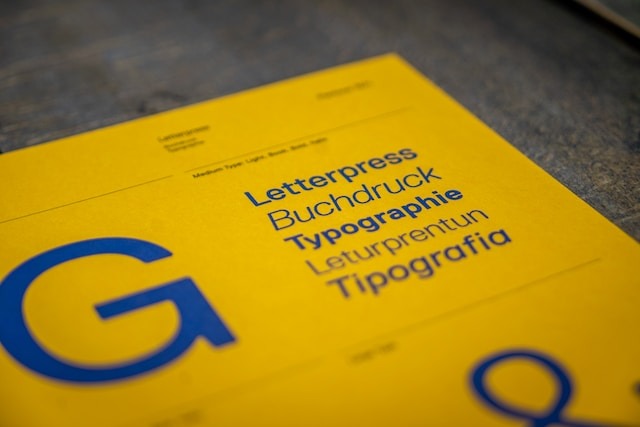
Language-specific typography rules – Some languages follow strict line-breaking and hyphenation conventions (for example, Thai line breaks or Polish single-letter words). We typeset with those rules in mind. AI-translated content is particularly prone to line-breaking issues, which can impact readability and overall design quality.
Visual QA and layout checks – We run formatting Quality Assurance checks, so your final output is clean and consistent. We check:
- Fonts and overall layout
- Images and graphics
- Spacing and paragraph styles
- Headers, tables, captions and callouts
- Pagination, widows/orphans
- Cross-language consistency (style sheet alignment)
Software we work with
Our multilingual DTP teams use all industry-standard tools, including Adobe InDesign, Adobe Illustrator, Adobe Photoshop, Adobe FrameMaker, QuarkXPress, and Microsoft Office formats.
If you haven’t designed the source file yet: we can support the full workflow from design through translation, DTP/Compositing and print-ready delivery.
The 3 biggest challenges in multilingual typesetting (and how we solve them)
- Text expansion (or contraction) – Some languages can require significantly more space than English due to text expansion in the translated versions. Please bear this in mind when putting together the original language version and leave enough space. We plan layouts so translated content fits without harming readability.
- Font requirements and compatibility – Complex scripts can require specialist fonts and careful shaping/spacing. We ensure your chosen fonts support the language – then test outputs to prevent broken characters.
- Line breaks and punctuation rules – We apply language-aware typographic rules, so your document reads naturally and professionally in every market.
Accessibility and plain language (optional, but increasingly important)
Accessibility means your document is easy to use for as many people as possible (including people with visual, cognitive or reading difficulties, and people using assistive tech). Plain language is one part of that. It means writing and formatting information so people can:
- find what they need,
- understand it quickly,
- and use it correctly.
Pricing for multilingual DTP
Pricing is usually based on page count, layout complexity, and number of target languages – often per-page or hourly. We’ll review your files and quote accurately. If you need translation first, we can quote for translation + DTP as a combined workflow (with a review step before typesetting). We also typically include one round of post-typesetting changes so local reviewers can feed back on the laid-out version.
After sign-off, we typically return:
- print-ready PDF
- editable source files (e.g., InDesign package / templates)
- output prepared to your specs (bleed, margins, colour profile, etc.)
If your timeline is tight, plan for language expansion and complex script requirements early – this helps keep your multilingual DTP smooth and your layouts consistent. We will be happy to advise on file setup, fonts, right-to-left formatting and print-ready delivery. Submit a no-obligation quote request using the form below, or contact us directly to discuss your project.
FAQ’s
Yes, layout adjustment is usually required. Translated text expands/contracts and may require different fonts, line breaks, or RTL layout changes to stay readable and on-brand.
Yes – although editable source files (InDesign/Word) are faster and more cost-effective, where available.
We work with many different file formats, most commonly InDesign, Illustrator, and Microsoft Office, and provide print-ready PDFs along with editable source files on completion.
Yes – RTL typesetting and layout mirroring is a standard part of multilingual DTP.


